
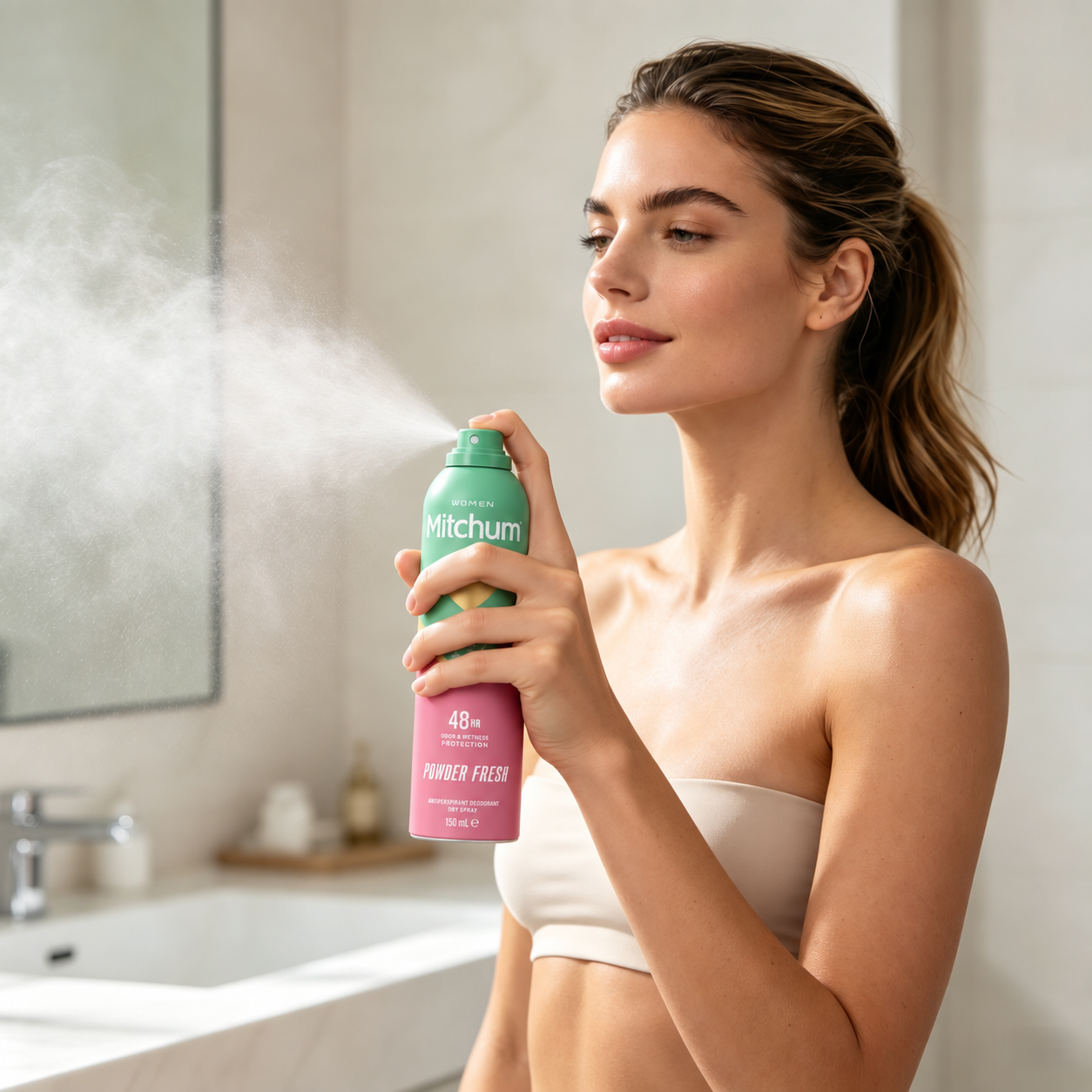
Quick Summary: Aerosol deodorant and body spray packaging lines handle liquid dosing, precision valve crimping, and high-pressure propellant charging (LPG, Butane, Isobutane, DME) for aluminum or tinplate cans. Depending on whether your formulation is a clear alcohol-fragrance solution or an antiperspirant suspension containing active powders (e.g., Aluminum Chlorohydrate), machine configurations vary from versatile semi-automatic 3-in-1 units (12–20 CPM) for pilot batches to high-speed automatic production lines configured for ATEX explosion-proof requirements (30–120+ CPM).
1. Aerosol Deodorant & Body Spray Production Overview
A typical industrial packaging setup for deodorants and body sprays operates through a coordinated sequence designed to maintain stable filling tolerances, ensure hermetic crimping, and protect plant safety:
- Product Preparation & Mixing: Blending ethanol, fragrance oils, or active deodorant salts inside sanitary stainless steel vessels.
- Container Infeed & Cleaning: Automatic unscrambling and de-dusting of monobloc aluminum or tinplate cans.
- Volumetric Liquid Filling: High-accuracy dosing of the liquid concentrate.
- Valve Sorting & Insertion: Manual placement or automatic mechanical sorting and feeding of standard 1-inch aerosol valves.
- Valve Crimping: Mechanical expansion collet securing the valve cup against the can neck to form a permanent seal.
- Propellant Gassing: Metered injection of liquefied gas propellants (LPG, Butane, DME) through the valve under pressure.
- Quality Inspection: Automated in-line checkweighing and high-temperature water-bath leak detection.
- Actuator & Overcap Assembly: Precise mechanical orientation and pressing of spray actuators and protective dust caps.
- Traceability & Packaging: Laser/inkjet batch coding, automated carton packing, and shrink wrapping.
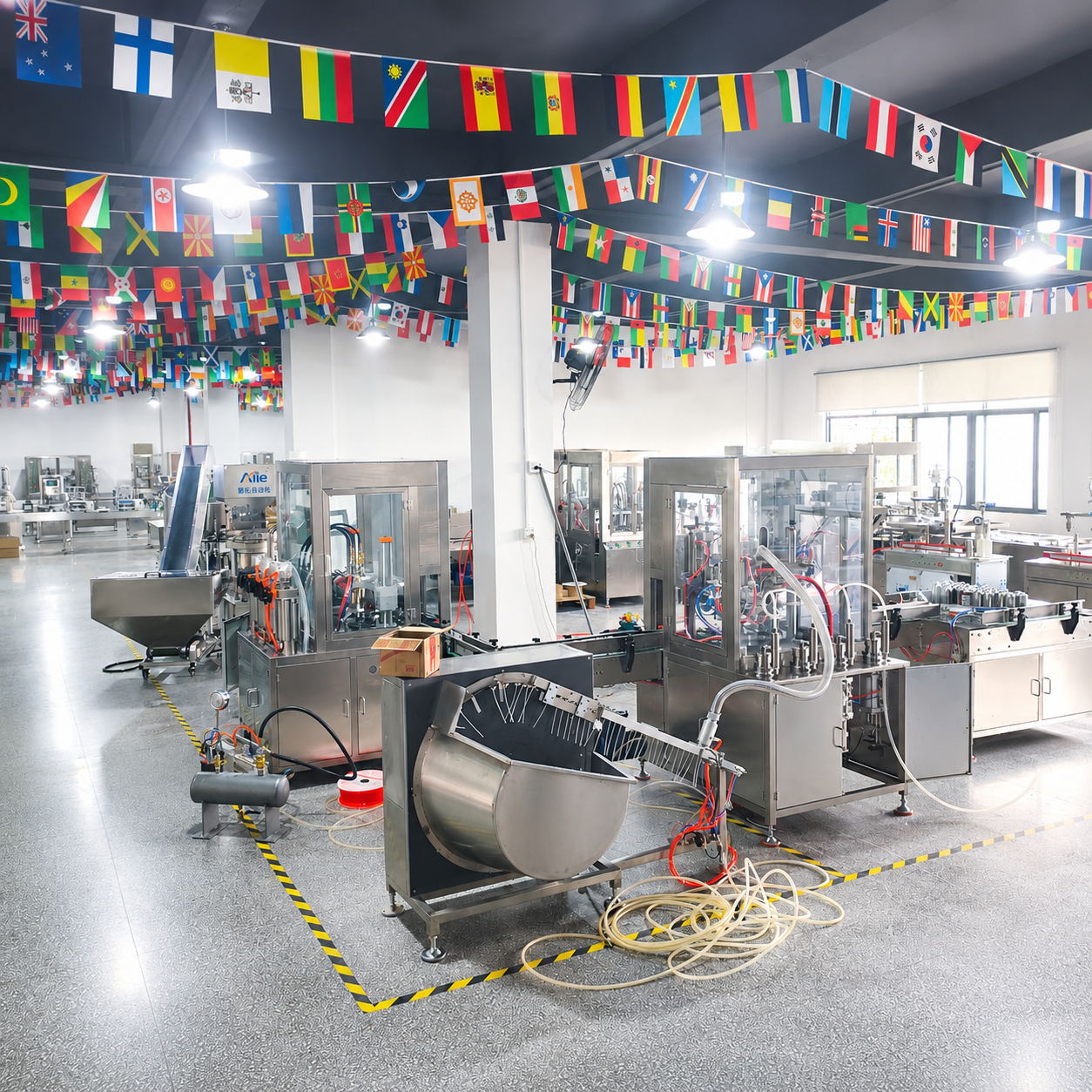
2. Technical Comparison: Fragrance Body Spray vs. Antiperspirant Suspension
The product's physical chemistry dictates the exact machine configuration required on the packaging floor:
| Application Parameter | Standard Fragrance Body Spray | Antiperspirant Deodorant (Suspension Type) |
|---|---|---|
| Typical Ingredients | Ethanol, deionized water, fragrance oils, solubilizers | Cyclopentasiloxane, Aluminum Chlorohydrate (ACH), fragrance, starch |
| Viscosity & Flow Behavior | Low viscosity (< 10 cP), free-flowing | 50–500 cP, non-Newtonian, prone to powder sedimentation |
| Mixing & Agitation | Standard low-speed paddle mixer | High-shear mixing with continuous recirculation during filling |
| Filling Nozzle Design | Standard positive-shutoff liquid nozzle | Anti-drip rotary piston with hardened valve seats and anti-clogging orifices |
| Seals & Gaskets | Viton / NBR | PTFE / FFKM (engineered for carrier silicones and abrasive powders) |
| Changeover & Cleaning | Standard solvent rinse cycle | Rapid-disassembly CIP design to prevent powder caking in manifolds |
3. Core Filling & Assembly Engineering
Precision Liquid Filling
- Dosing Mechanism: Pneumatic or servo-driven piston metering cylinders fabricated from sanitary stainless steel.
- Accuracy: Volumetric dosing maintained within ±0.5%–1.0%.
- Suspension Management: For antiperspirant powders, holding hoppers incorporate active mechanical agitation and closed recirculation loops to keep active solids evenly dispersed throughout the run.
Valve Crimping & Hermetic Integrity
- Standard Compatibility: 1-inch (25.4 mm) mounting cups on aluminum or tinplate cans.
- Process Stability: Hardened steel crimping collets ensure uniform expansion, maintaining consistent crimping diameter and depth to eliminate propellant micro-leaks during transport and storage.
Propellant Charging (Gassing)
- Supported Propellants: Liquefied Petroleum Gas (LPG), Commercial Butane, Isobutane, and Dimethyl Ether (DME).
- Delivery: Air-driven booster gas pumps transfer propellant through the valve stem (TTV) with volumetric charge consistency held within ±1%.
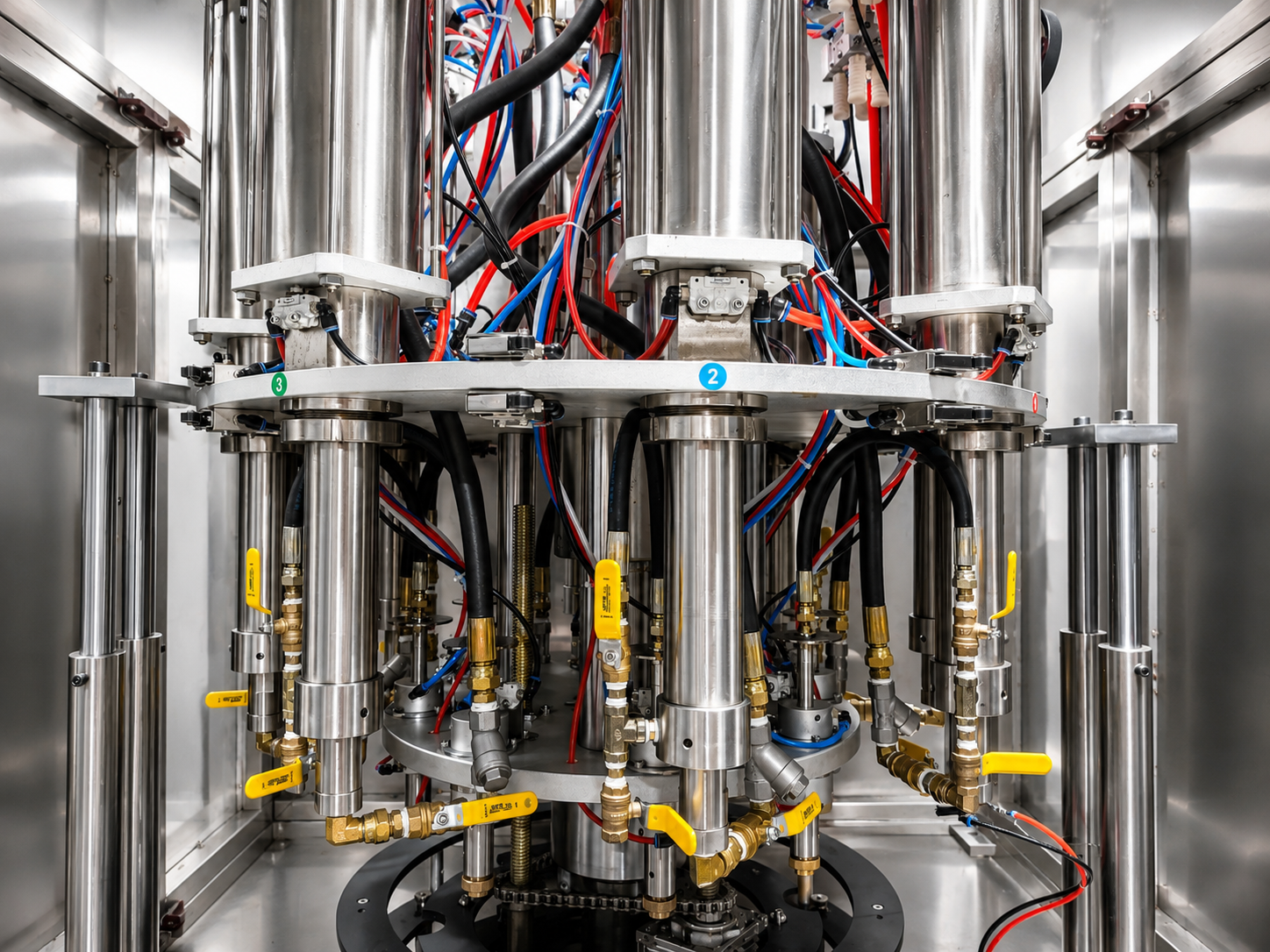
4. Equipment Configurations: Semi-Automatic vs. Fully Automatic
Semi-Automatic Integrated Units (3-in-1 / 4-in-1)
Ideal for contract fillers (CMO/CDMO), pilot runs, small-to-medium batches, and facilities handling frequent fragrance changeovers.
- Setup: Single-table compact configuration combining 1 Liquid Filler, 1 Valve Crimper, and 1 Propellant Gas Head.
- Operation: An operator manually positions the container and depresses a pneumatic foot pedal to execute each cycle.
- Output: 12–20 cans per minute (700–1,200 cans/hour).
- Drive System: 100% pneumatic logic controls to minimize electrical ignition sources in the filling zone.
Fully Automatic Production Lines
Engineered for continuous commercial packaging where labor reduction and high Overall Equipment Effectiveness (OEE) are paramount.
- Setup: Linear conveyor or rotary indexing star-wheel systems integrating automatic can unscramblers, multi-head liquid fillers, automated valve placers, multi-head crimpers, gas injection stations, checkweighers, and water baths.
-
Output:
- Linear automated lines: 30–60 cans per minute.
- Multi-head / Rotary systems: 60–120+ cans per minute.
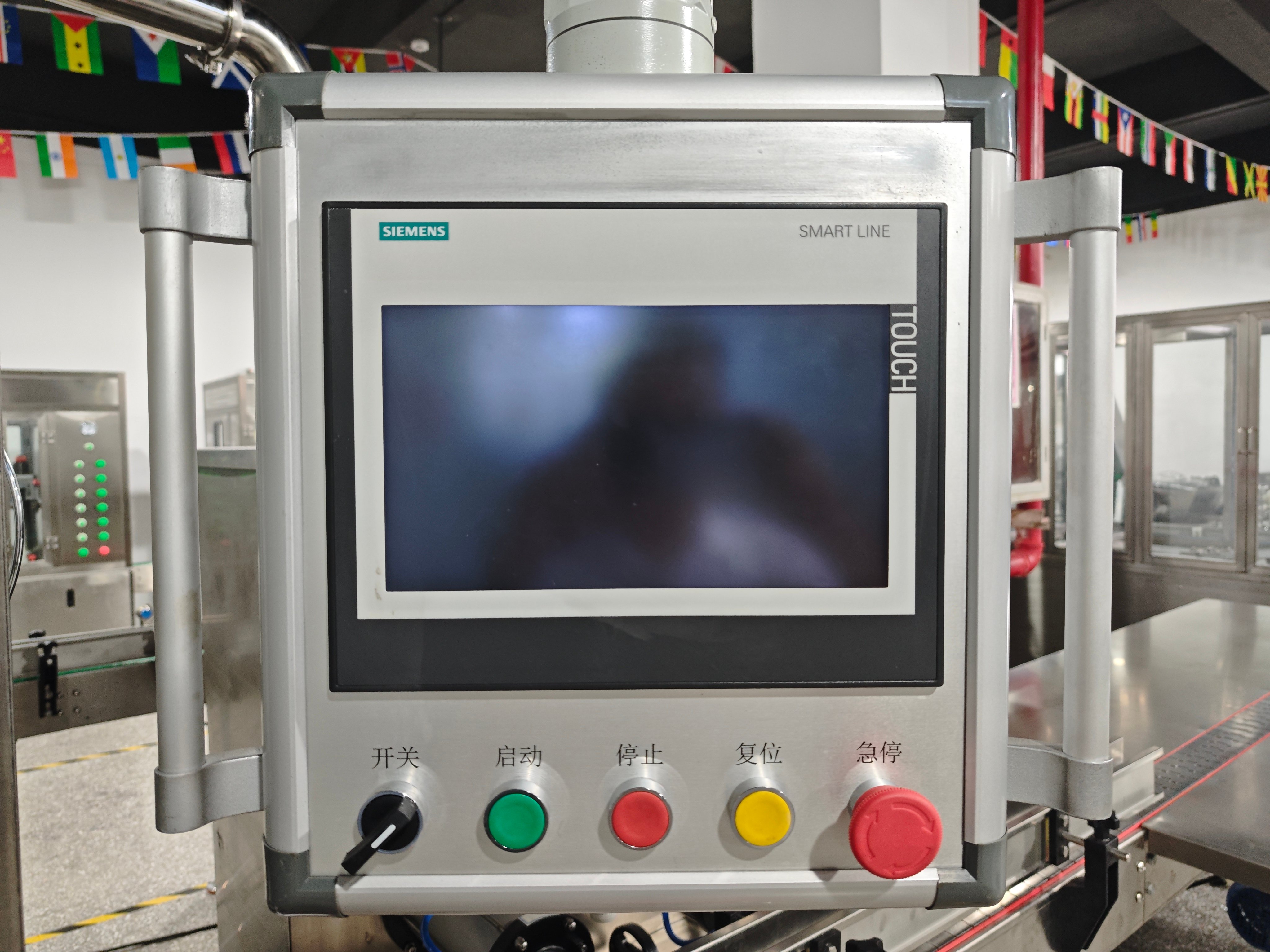
- Control System: Centralized PLC interface with touchscreen HMI and explosion-proof operator panels.
5. Engineering Comparison Matrix
| Factor | Semi-Automatic System | Fully Automatic Production Line |
|---|---|---|
| Production Speed | 800 – 1,200 cans/hour | 2,400 – 7,200+ cans/hour |
| Operator Requirements | 1–2 manual operators | 1 line supervisor + downstream packers |
| Can Diameter Range | Ø 35 – 65 mm (Toolless adjustment) | Ø 35 – 76 mm (Quick-change star wheels) |
| Can Height Range | 70 – 330 mm | 70 – 330 mm |
| Volumetric Accuracy | Up to ±1.0% | Up to ±0.5% |
| Floor Space Required | Compact (≈ 2 – 4 m²) | Linear footprint (≈ 25 – 60 m²) |
| Safety Integration | Intrinsically safe pneumatic components | Isolated gas cabin, integrated exhaust, ATEX Zone 1/2 compliance |
| Best Application | Boutique perfumes, small batch runs, pilot labs | High-volume single SKU, continuous mass production |
6. Industrial Safety & Explosion-Proof Architecture
Because deodorant and body spray packaging frequently involves alcohol bases and flammable propellants (LPG/Butane), AILE incorporates multi-tier safety standards aligning with ATEX Directive 2014/34/EU and NFPA 30B:
- Pneumatic Zone Design: Propellant gassing and crimping operations utilize pneumatic controls to eliminate electrical sparks around flammable vapors.
- Enclosed Gassing Cabins: Automatic propellant charging stations are housed in dedicated safety cabins equipped with high-volume, non-sparking centrifugal ventilation blowers.
- Combustible Gas Detection: Continuous LEL (Lower Explosive Limit) monitoring sensors are positioned near floor level to identify vapor accumulation and link directly to visual/acoustic alarms and emergency line shutdowns.
- Chemical Compatibility: Product-contact surfaces are built from electropolished AISI 316L stainless steel, fitted with chemical-resistant PTFE and Viton seals to withstand carrier solvents and fragrance oils.
7. Downstream Quality Assurance Equipment
- Automated In-Line Checkweigher: Verifies the gross weight of every finished can, automatically rejecting containers with under-dosed concentrate or insufficient propellant.
- Aerosol Water-Bath Leak Detector: Submerges pressurized cans in temperature-controlled water (up to 50°C / 122°F) to visually and reliably identify seam, crimp, or valve micro-leaks in accordance with DOT-2P / UN transport requirements.
- Automatic Actuator Placer: Vibratory bowl feeder aligns spray heads, confirms orientation, and presses them securely onto valve stems without accidental spraying.
- Cap Pressing Machine: Feeds and seats protective plastic overcaps or twist-lock caps squarely on can rims at high speeds.
8. Technical Specifications (Reference Blueprint)
| Parameter | Standard Machine Specification |
|---|---|
| Liquid Filling Range | 10 – 250 ml / 50 – 500 ml (customizable) |
| Propellant Metering Range | 10 – 250 ml (liquefied state) |
| Filling Tolerance | Liquid: ≤ ±0.5%; Propellant: ≤ ±1.0% |
| Crimping Dimensions | Diameter: 26.85 ± 0.15 mm; Depth: 5.05 ± 0.15 mm (adjustable) |
| Working Air Supply | 0.6 – 0.8 MPa (85 – 115 psi); clean, dried, filtered air |
| Liquid Gas Pressure | 0.4 – 0.7 MPa constant supply |
| Container Types | Monobloc Aluminum, Tinplate 3-piece necked cans |
| Valve Standard | 1-inch (25.4 mm) standard aerosol valve cup |
| Material Construction | Frame: SUS304; Product Contact: SUS316L; Conveyor: Antistatic POM |
9. Frequently Asked Questions (FAQ)
What equipment is required to produce aerosol deodorant?
A standard production setup includes a cosmetic mixing vessel, a liquid concentrate filler, a valve insertion station, a 1-inch valve crimping machine, a high-pressure propellant gasser (LPG/Isobutane/DME), an automatic checkweigher, a water-bath leak detector, and actuator/cap pressers.
Can deodorant and body spray run on the same aerosol filling machine?
Yes, provided the nozzle and seal configurations match your formulations. While a clear fragrance spray flows freely through standard pistons, an antiperspirant formulation with Aluminum Chlorohydrate requires an active recirculation loop in the hopper to prevent settling, plus PTFE/Viton seals compatible with carrier silicone oils.
How do you prevent fragrance cross-contamination during product changeover?
AILE machinery utilizes sanitary quick-disconnect fittings (Tri-Clamp). Operators can rapidly flush pipes, pumps, and nozzles with warm solvent/water, followed by compressed air or dry nitrogen blowdowns to clear volatile fragrance oils before beginning the next SKU.
What are the main causes of propellant leakage after crimping, and how are they fixed?
Leakage around the mounting cup usually indicates improper crimp dimensions or valve seat damage:
- Verify crimping dimensions: Check crimp depth and diameter using dedicated aerosol calipers against valve supplier specifications.
- Inspect crimping collet: Ensure internal collet fingers are undamaged and free of metal burrs.
- Examine the can opening: Verify that can curls are uniform without dents, scratches, or uneven plating.